Welcome
This site provides practical veterinary guidance and husbandry information for cattle, horses, and donkeys.
Welcome to Ranch Reality
Routine vaccines for horses are essential for disease prevention. Doc Slocum explains why equine vaccines are important for every horse.
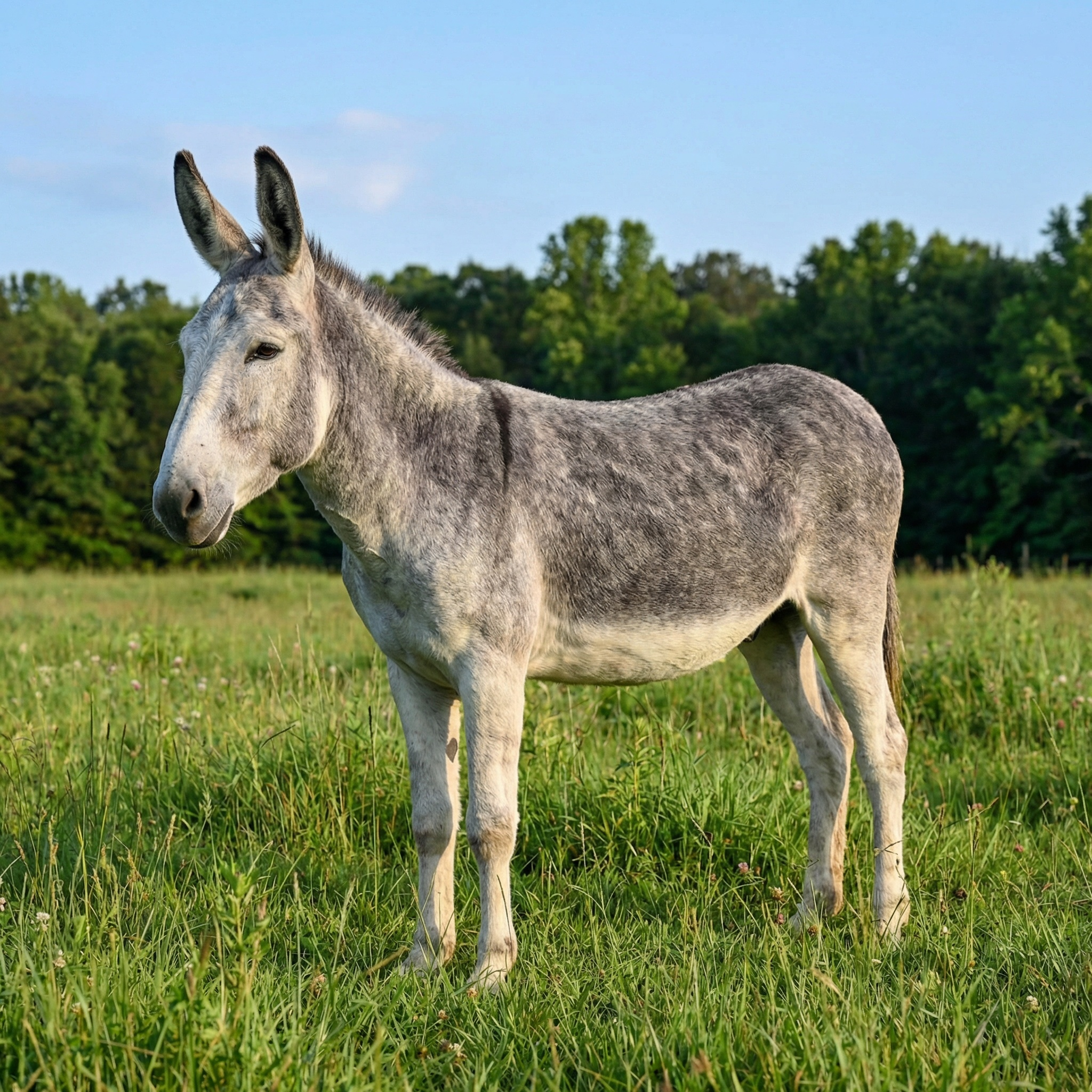
Mammoth Donkey conformation standards are set by the American Mammoth Jackstock Association. Not only do they set the standard size for a Mammoth Donkey, but they also have standard measurements for the leg bones. Here is more information: https://americanjackstock.org/
Mammoth Donkey/Jackstock: Feeding Snapshot
Most Mammoth Jackstock do best on a high-fiber forage diet that supports steady digestion and healthy weight management. Good-quality hay or pasture should make up the foundation of the diet, while rich feeds and excess grain should be used cautiously. Because Mammoth Jackstock are often easy keepers, too many calories can quickly lead to unwanted weight gain and related health concerns. Concentrates should be limited unless there is a clear nutritional need, such as growth, lactation, heavy work, or poor body condition. Even then, feed changes should be made carefully and matched to the animal’s age, workload, and overall health. Regular body condition monitoring is one of the best ways to keep Mammoth Jackstock in proper shape and avoid both overfeeding and underfeeding. A balanced, forage-first feeding program helps support long-term health, soundness, and performance in Mammoth Jackstock. By focusing on fiber, controlling calories, and adjusting the diet only when necessary, owners can help these animals maintain ideal condition throughout the year.